I came alive in my grandparents' house.
There was space there that felt like it was actually mine;
Nana in the kitchen, Grandaddy in his chair with a book,
and me, somewhere in between,
learning what it felt like to just be.
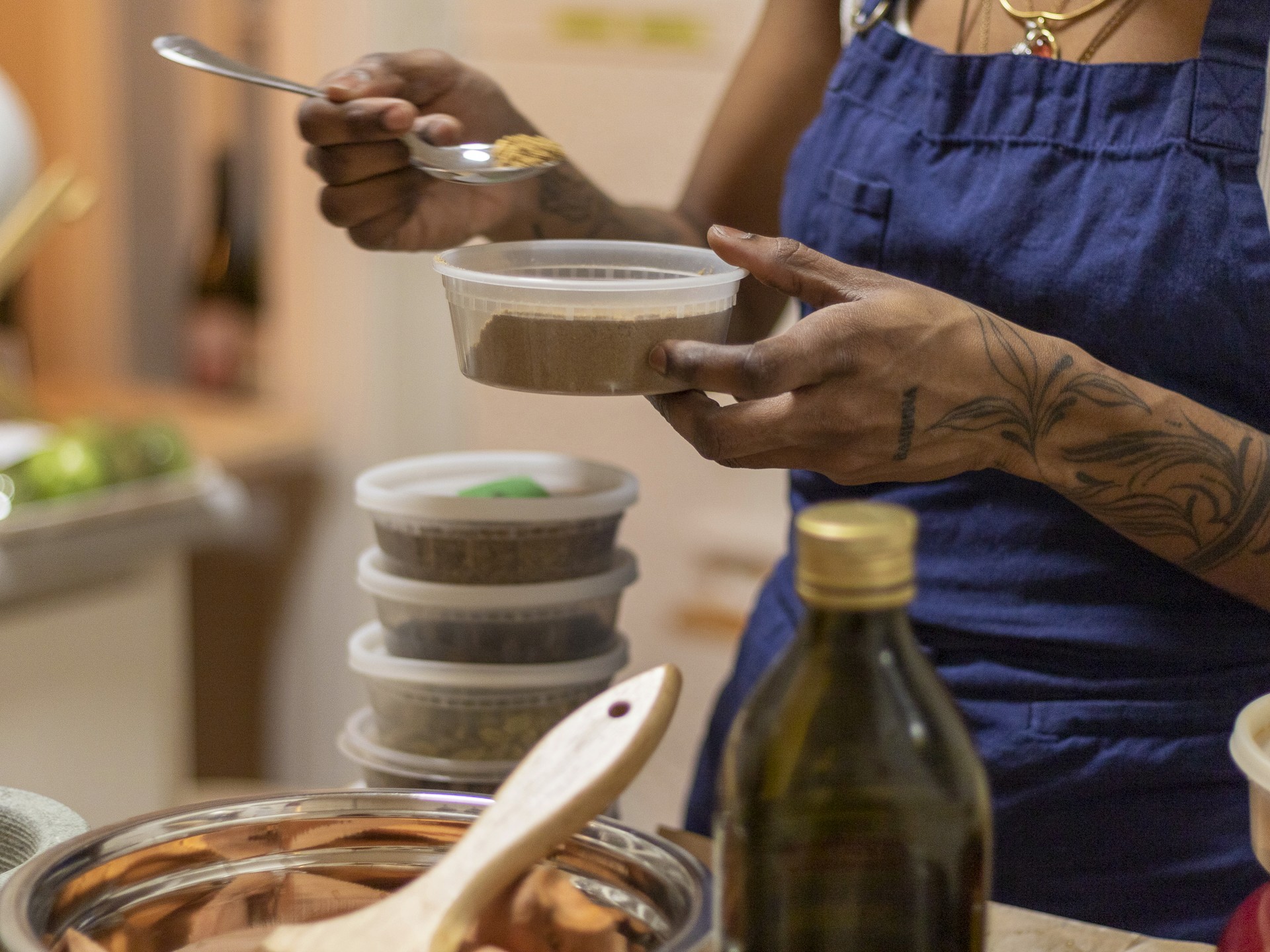
In that kitchen I learned that food is not just food.
It is attention. It is time given willingly.
It is someone saying, without saying it,
I see you. I made this for you. You are worth feeding.
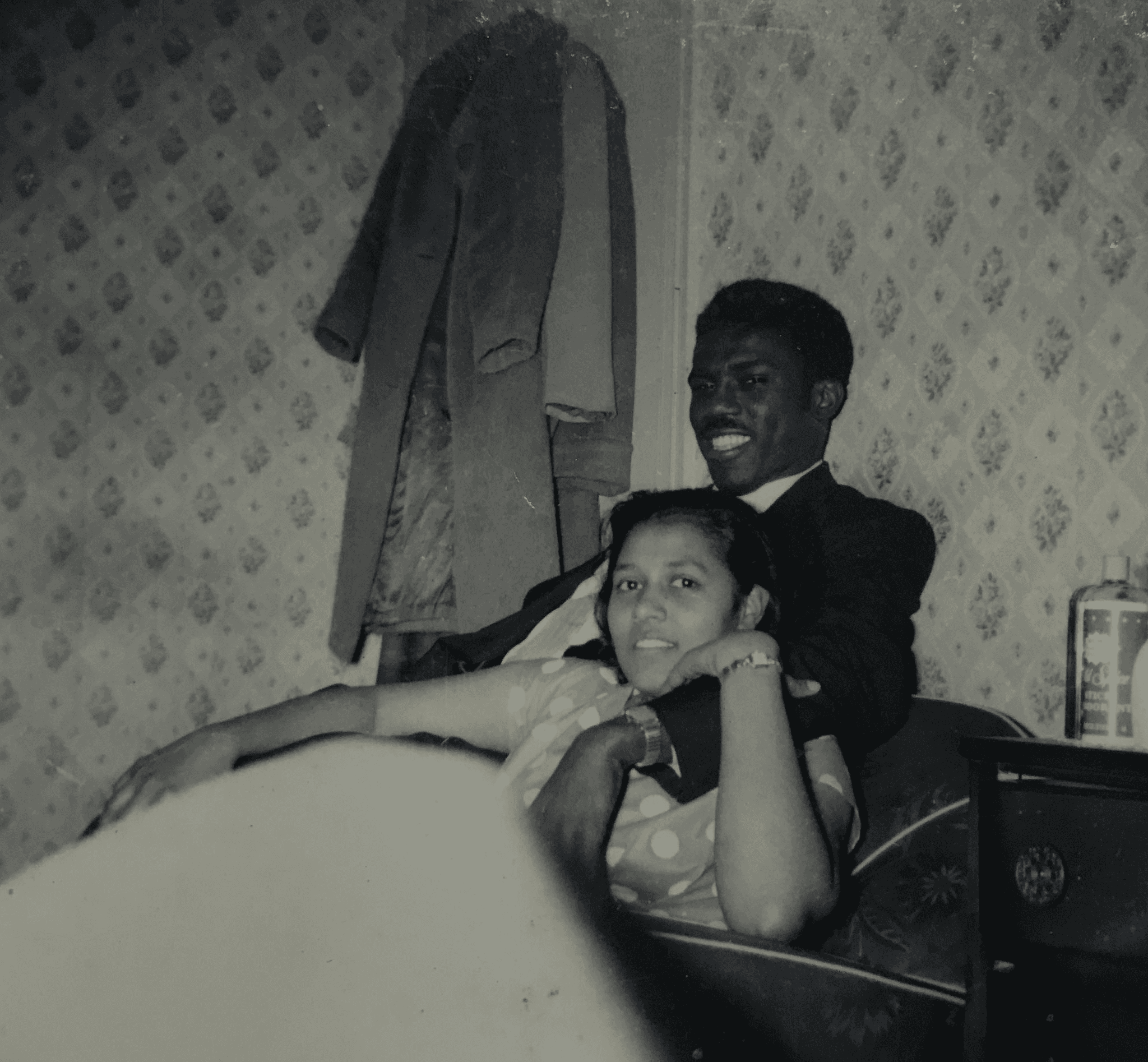
Their love story loved me whole.
It shaped everything I understand about what love is,
what a home is,
what it means to make room for someone.
There were years that were hard to get through.
Food,
her food, the memory of it, the making of it,
was part of what kept me here.
The love Nana put into that kitchen
did not leave when I left her house.
It followed me.
It fed me when I didn't know how to feed myself.
I have been a chef and I have been someone who struggled to eat.
I have cooked for hundreds and I have sat alone.
I know what it is to need a table and not have one.
That knowing is in everything I make.
Lelawatti's is what happened when I stopped keeping all of that to myself.
It is a community project rooted in the diaspora,
in the traditions we were raised on,
in the rituals that held us together accross distance and displacement,
in the responsibility we carry now,
to keep building what our people built before us.
The BBQs, the cookouts, the shop limes.
The long tables. The passed plates. The staying too late.
Our elders made that from nothing,
in countries that were not always kind to them,
with resources that were never quite enough.
They made it anyways.
Because you don't leave behind community.
You make it where you land.
Now it's our turn.
This is for the girls and boys who grew up on island time.
Who never missed home more than their first semester of college.
Who were accused of contributing to the brain drain
simply for wanting more.
Who stayed up through finals week
carrying the quiet weight of sacrifice.
For anyone who missed the food at granny's table.
Pitching marbles on warm summer nights.
The slap of dominoes against wooden tabletops.
A shop lime or bus crawl.
Easter picnic.
Sunday lunch.
Lelawatti's is for you.
This work emerges from Afro-Caribbean lineage.
From migration and memory.
From the particular knowledge of people who left home
and had to decide, again and again,
what was worth carrying forward.
Food was always worth carrying.
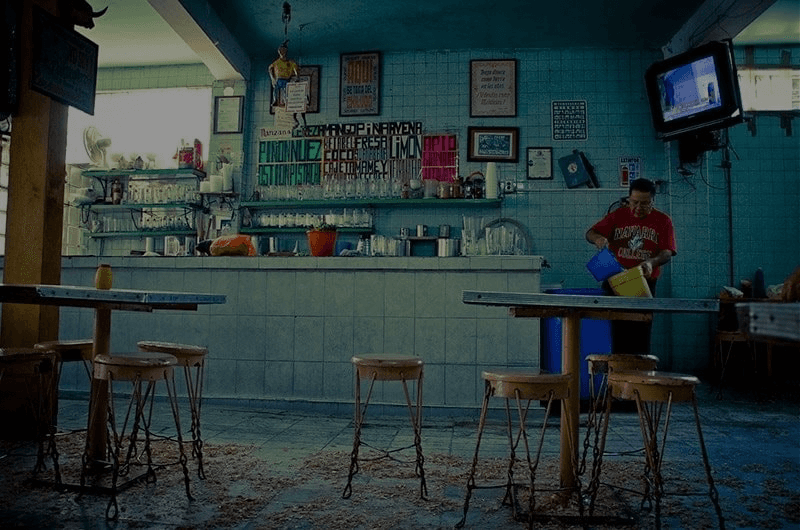
I built this for the people who need a table and haven't found one yet.
For the ones who grew up knowing what community felt like
and have been trying to rebuilt it ever since.
For anyone who had ever been fed by someone who loved them
and understood, in that moment,
that food is never really just food.
Lelawatti and John made a life that shouldn't have been possible
and filled it with enough love to raise me in the overflow of it.
This is what I do with that.
Pull up a chair.
We've been waiting for you.
— Nai-Lela